Dear HAS Community,
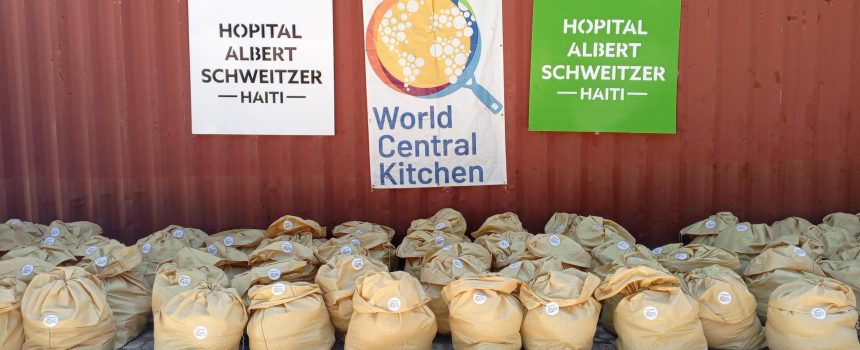
World Central Kitchen’s story began in Haiti with an idea that remains central to its work today: responding to hunger requires listening to the people and communities being served.
After an earthquake struck near Port-au-Prince in January 2010, Chef José Andrés traveled to Haiti to explore how cooks could help. While preparing food alongside displaced families, he learned that a meal provides more than nourishment. When it reflects the traditions and preferences of the people receiving it, food can also offer dignity, familiarity, and comfort.
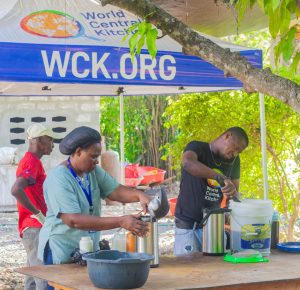
That experience led José to launch World Central Kitchen (WCK). Today, WCK responds to humanitarian emergencies, natural disasters, and community crises around the world. The organization acts quickly and works alongside local partners, cooks, farmers, vendors, and volunteers to provide freshly prepared meals to people in need.
This community-centered approach reflects the 2026 World Food Day theme, “Innovate Today. Nourish tomorrow,” which recognizes the importance of traditional knowledge, strong partnerships, and locally led solutions. These same principles can be seen in the work of WCK and Hôpital Albert Schweitzer Haiti (HAS) across the Artibonite.
Reunited in Service to Haitian Communities
Ten years after WCK began in Haiti, the organization started working with HAS. During the first wave of the COVID-19 pandemic, WCK supported 8,964 meals for patients at the HAS COVID-19 Center and the healthcare workers caring for them.
The organizations came together again after a 7.2 magnitude earthquake struck southern Haiti in August 2021. HAS provided medical and surgical care and helped coordinate the broader response, while WCK prepared and served meals to affected families. These early efforts created a partnership that would continue to grow as the needs of Haitian communities changed.
Responding to Deepening Food Insecurity
By early 2024, worsening insecurity had displaced thousands of families and disrupted transportation, markets, and supply chains. Communities that were already facing significant challenges struggled to maintain reliable access to food.
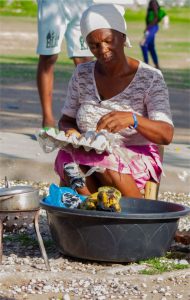
In March, HAS and WCK launched a short-term response through a network of community kitchens in the Artibonite. Local women who had worked as food vendors before the crisis were hired to prepare meals for displaced families and other vulnerable community members.
The ingredients they used were purchased from area farmers and suppliers. This allowed the partnership to meet an immediate need while also helping local people continue earning an income. Farmers had a place to sell what they produced; vendors could return to work, and families received meals prepared by people who understood their communities.
That summer, HAS and WCK expanded the response by distributing 4,630 food kits to more than 23,000 people. The kits provided familiar staples such as rice, beans, cornmeal, spaghetti, canned fish, peanut butter, and cooking oil. Most went to households sheltering displaced people. Others reached healthcare workers, families with children at risk of malnutrition, older adults, people with disabilities, people living with HIV, and other vulnerable households.

The food kits gave families something they could rely on during an uncertain period. They also reflected the approach that has guided the partnership: respond to immediate hunger while strengthening the local people and systems that make the response possible.
Meeting a Rapidly Growing Need
In the spring of 2025, gang attacks in Petite Rivière de l’Artibonite and surrounding areas forced an estimated 12,000 to 15,000 people from their homes. Many sought safety in Verrettes, Liancourt, and communities near HAS.
The arrival of so many displaced families put tremendous pressure on communities that were already struggling. HAS responded to urgent medical needs, but the hospital did not have the resources to provide food for thousands of additional people.
World Central Kitchen made that response possible.
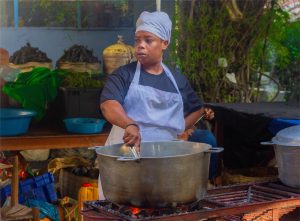
Beginning May 22, WCK supported an emergency feeding initiative coordinated by HAS through 14 community kitchens. The kitchens operated on the HAS campus, in displacement camps, and in nearby communities so that meals could reach people where they had found shelter.
During the first 12 days, the kitchens served more than 165,000 meals.
Women played a leading role, preparing meals and supporting their neighbors through the community kitchens. Through the kitchens, they were able to support their own families while caring for their neighbors.
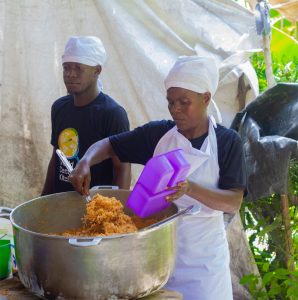
As more people needed help, WCK allowed the response to grow with them. By late June, 17 kitchens were serving nearly 20,000 meals each day. When families remained unable to return home and more children needed meals during the summer school closure, WCK continued its support. By August, the response had expanded to 26 community kitchens.
For families living with daily uncertainty, the kitchens became a dependable source of food and stability. For HAS, WCK’s partnership made it possible to address hunger while hospital teams continued providing emergency and routine medical care.
Impact Beyond the Meal
The impact of the community kitchens extends far beyond the meals they serve. For the people working in them, the income has helped meet immediate household needs while creating opportunities for greater stability. Kitchen workers have been able to pay school fees, address housing needs, support small businesses, and save for the future. The initiative has also strengthened local vendors and suppliers. Some businesses that were on the verge of closing received a critical boost as the kitchens increased their purchases of food, ingredients, and other supplies.
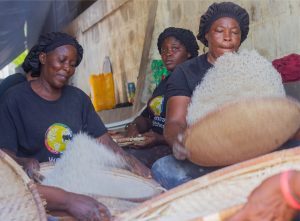
Farmers, butchers, vendors, and distributors gained more opportunities to sell what they produced, helping income continue circulating within their communities. Just as important is the sense of purpose the kitchens have created. During a time of crisis, local cooks and workers have been able to serve their own neighbors using their knowledge, skills, and understanding of the community. Their work provides nourishment, supports livelihoods, and allows local people to take an active role in caring for one another.
Continuing to Stand with the Artibonite
As food insecurity and displacement continued into 2026, HAS and WCK maintained their support for 26 community kitchens across the Artibonite, recently reaching an extraordinary milestone: 15 million meals served.
Each meal represents a person: a child whose school has closed, a parent caring for a displaced family, an older adult with few other sources of support, or a healthcare worker continuing to serve through difficult conditions. The milestone also represents hundreds of Haitian cooks, farmers, vendors, drivers, and kitchen staff whose work has sustained their neighbors.
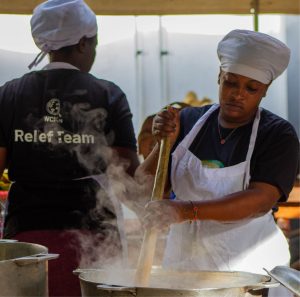
None of this would have been possible at this scale without World Central Kitchen. When the need grew, WCK helped the response grow. When families remained unable to return home, WCK stayed.
More than 16 years after its story began in Haiti, WCK continues to stand with Haitian communities. HAS is profoundly grateful to the entire World Central Kitchen team for their trust, generosity, and steadfast commitment to the people of the Artibonite. Their support has provided nourishment, sustained local livelihoods, and reminded families facing hunger and displacement that they have not been forgotten.
Sincerely,
Jean Marc de Matteis
CEO