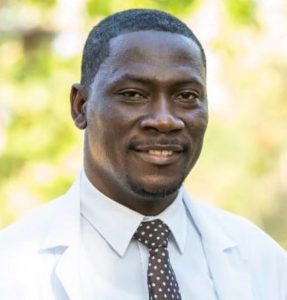
Dear HAS Community,
At Hôpital Albert Schweitzer Haiti (HAS), healing does not end when surgery is complete or a patient leaves the operating room. Rehabilitation is an essential part of recovery, helping patients regain strength, mobility, and independence after injury, illness, or surgery. For nearly 20 years, physical therapy has been an important part of the comprehensive care we provide, supporting patients as they return to their families, their jobs, and their daily lives.
The physical therapy program expanded significantly following Haiti’s devastating 2010 earthquake as the need for rehabilitation services grew and has continued to evolve to meet the changing needs of patients across the Artibonite Valley. Most recently, the department welcomed additional physical therapists in response to growing demand. As more patients required rehabilitation following orthopedic procedures, burns, strokes, thoracic and abdominal surgeries, and other serious illnesses, we recognized the need to expand the department so patients could begin therapy sooner.
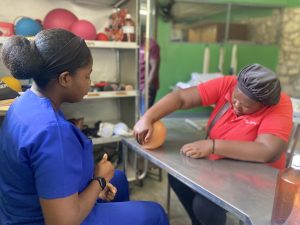
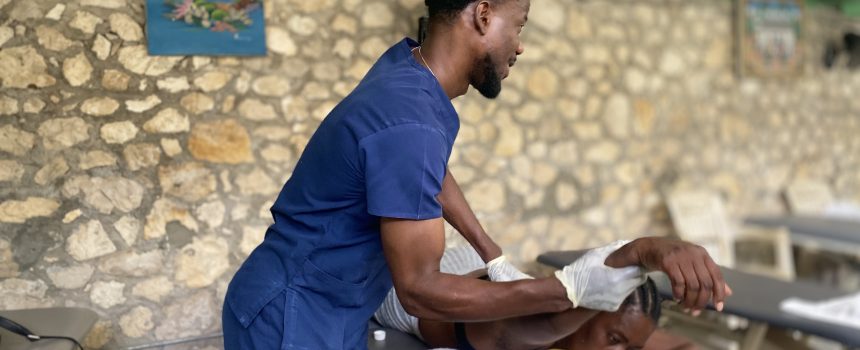
Today, the rehabilitation department includes two physiotherapists, one occupational therapist, and three physiotherapy technicians who work closely with physicians, surgeons, nurses, and other healthcare professionals throughout the hospital. Together, they provide individualized care for patients recovering from orthopedic injuries and surgery, strokes, chronic joint and back pain, burns, and respiratory conditions following abdominal or thoracic surgery. Therapy often begins while patients are still hospitalized and continues throughout the recovery process. Every treatment plan is tailored to each patient’s individual needs and goals because every recovery journey is unique. This coordinated approach helps patients transition safely from hospital care to rehabilitation.
The impact of physical therapy can be seen in patients like 34-year-old Guillaume Amos. After falling from a tree, Guillaume suffered fractures to both of his legs and underwent orthopedic surgery at HAS. When he arrived in the physical therapy department, his knees were stiff, his muscles had weakened, and he was unable to stand or walk on his own. The rehabilitation team developed an individualized treatment plan to restore his strength and mobility while also teaching his family exercises they could continue at home between therapy sessions. Today, Guillaume is walking independently and has returned to many of his normal daily activities. His experience reflects the important role rehabilitation can play in recovery following a serious injury.
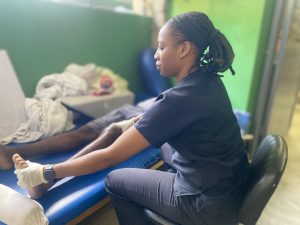
Physical therapy is about much more than recovering from an injury. It helps reduce pain, restore strength and mobility, improve balance, and support patients as they work toward returning to their daily lives. Whether someone is learning to walk again after surgery, rebuilding strength after a stroke, or recovering from a serious illness, rehabilitation is an important part of comprehensive patient care. For many individuals, recovery means returning to work, caring for family, and participating as fully as possible in everyday life.
As the program has grown, patients are beginning rehabilitation sooner after surgery or injury. Earlier access to therapy helps reduce complications, improve mobility, and support recovery throughout the rehabilitation process. For patients recovering from serious injuries or illness, timely rehabilitation can make an important difference.
For many people in central Haiti, these services would simply not be available elsewhere. HAS remains one of the few hospitals in the country that offers physical therapy free of charge, removing a significant financial barrier for patients who might otherwise go without rehabilitation. Ongoing insecurity, limited transportation, and financial hardship continue to make access to healthcare difficult for many families, making rehabilitation services close to home especially important. Providing access to these services remains an important part of our commitment to delivering comprehensive, patient-centered care.
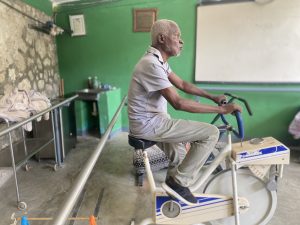 .
The need for rehabilitation services continues to grow, and HAS continues working to strengthen the program to meet that need. Priorities include modernizing rehabilitation equipment and expanding training opportunities for physiotherapy technicians so patients can continue receiving rehabilitation services close to home.
Guillaume’s experience is one of many that reflects the role physical therapy plays at HAS. Every day, our rehabilitation team works alongside patients as they recover from injury, illness, and surgery. I am grateful to our physical therapy team for the expertise, compassion, and dedication they bring to every patient, especially as they continue providing rehabilitation services under challenging circumstances. Their work helps ensure that patients have access to the care and support they need throughout the recovery process.
Sincerely,
Dr. Faustin Charles
CMO